
Choosing the right camping sleeping bag is crucial for a comfortable outdoor experience. Reports indicate that around 70% of campers face challenges in selecting suitable gear. A poor choice can lead to a restless night, impacting your overall trip enjoyment.
The market for camping sleeping bags is growing. In 2022, it was valued at over $600 million, with projections to reach $900 million by 2028. This growth underscores the importance of making informed decisions. Key features should include insulation type, bag shape, and temperature rating.
Many overlook these aspects, leading to regrets later. For instance, a wrong temperature rating could leave you freezing or overheating. A good camping sleeping bag should cater to your personal needs. Reflection on these points can improve your camping adventure significantly.
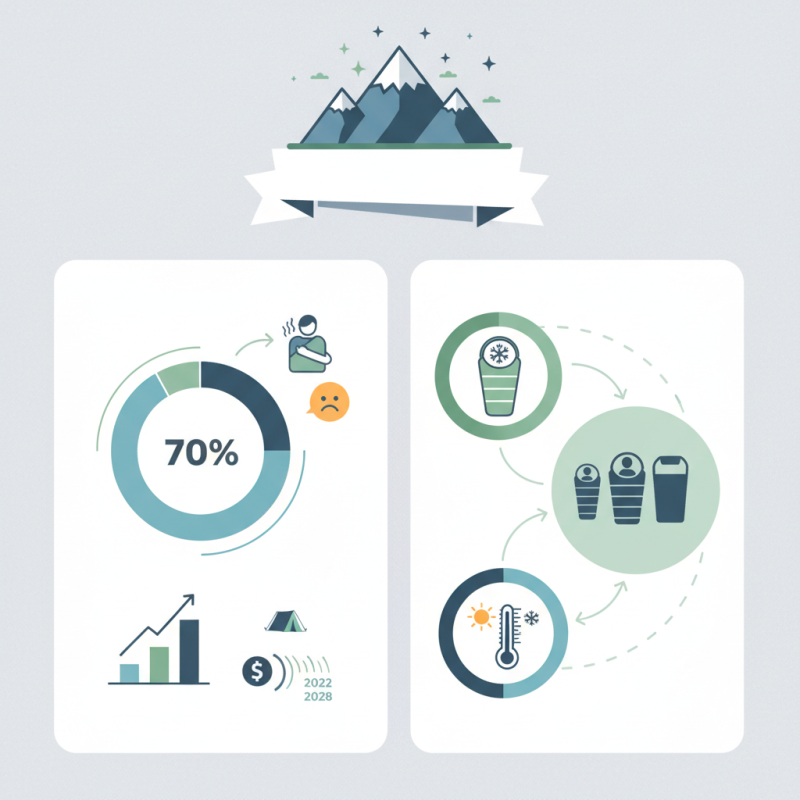
When choosing a camping sleeping bag, understanding the types is crucial. There are three main types: rectangular, mummy, andatorio bags. Rectangular bags are spacious and great for car camping. They allow more movement and comfort. However, they may not keep you as warm in colder weather.
Mummy bags are snug and efficient. They trap heat close to your body. Ideal for lightweight backpacking, they are designed for warmth. But, they can feel restrictive. If you prefer something in between, consider a semi-rectangular option. It offers a balance of space and warmth.
Each type has its pros and cons. Reflect on your camping style. Will you hike far? Then weight matters. Are you camping with friends? Then space is key. Make thoughtful decisions. Test bags for comfort before you buy. Not all sleeping bags are perfect for everyone.
When choosing a sleeping bag, temperature ratings are crucial. They help you understand how well a bag will keep you warm in different climates. Temperature ratings are often listed on bags. However, these ratings can vary greatly. A bag rated for 20°F might feel different based on your body heat or whether you wear layers.
Consider the season and location of your camping. For summer trips in warmer regions, a bag rated for 40°F or higher may suffice. Conversely, if you plan to head out in fall or winter, aim for a bag rated below freezing. Remember, factors like altitude and wind can also impact how warm you feel at night.
Don't forget about your personal comfort. While some prefer a snug fit, others may want extra space. A wrong choice can lead to sleepless nights. Reflect on your needs. Balancing warmth, weight, and packability is essential. Sometimes, going for a bag that’s slightly heavier might just provide the comfort you need for an enjoyable night's sleep.
Choosing the right sleeping bag for camping is crucial. Key features significantly affect your comfort and safety. The design and materials used can make or break your outdoor experience. A 2021 survey by Outdoor Industry Association found that 72% of campers prioritize comfort in their gear. If your sleeping bag lacks proper insulation, you’ll wake up cold.
Materials play an essential role in sleeping bag performance. Synthetic fabrics are lightweight and dry quickly. However, they might not provide the warmth of down insulation. Down bags are popular for their warmth-to-weight ratio but can be pricier and less durable when wet. A report from National Park Service indicates that moisture management is critical. Wet sleeping bags can lead to hypothermia with nighttime temperatures dropping, especially in mountainous regions.
Consider the shape of the sleeping bag as well. Mummy-shaped bags are more efficient for heat retention. They hug the body and eliminate excess air. Rectangular bags are more spacious but may leave you feeling colder. Your choice should reflect your preferences and needs. Understand that what works for one person might not work for another. Experimentation is key to finding your perfect fit in the camping world.
| Feature | Description | Importance |
|---|---|---|
| Temperature Rating | Indicates the lowest temperature the sleeping bag can keep a person warm. | Essential for comfort and safety during cold nights. |
| Material | Outer shell & insulation material influences weight, durability, and warmth. | Affects overall performance and longevity. |
| Shape | Mummy vs rectangular shapes impact weight and space efficiency. | Choosing the right shape ensures better heat retention. |
| Weight | Lightweight bags are easier to carry for backpacking. | Crucial for hiking and outdoor adventures. |
| Packability | Bags that compress well save space in your pack. | Important for limited storage on trips. |
| Draft Collar | Extra insulation around the neck to prevent heat loss. | Enhances warmth and comfort during cold nights. |
| Zipper Quality | Durable and snag-free zippers improve usability. | Ensures easy entry and exit from the sleeping bag. |
| Water Resistance | Water-resistant materials protect against moisture. | Essential for damp camping environments. |
| Price | Evaluate value according to features and materials used. | Important for budgeting and comparison shopping. |
| Warranty | Manufacturer warranty can indicate quality assurance. | Provides peace of mind for buyers. |
When choosing a camping sleeping bag, size and weight are crucial factors. A sleeping bag that is too heavy can weigh you down. You want to balance warmth with portability. Consider how much space you have in your backpack. A compact bag can make a significant difference.
Think about the length of the bag too. A bag that’s too short can leave you feeling cramped. Conversely, a bag that’s too long can be a waste of space. It’s helpful to know your height and adjust your choice accordingly. Lightweight bags are ideal for long hikes but may sacrifice some comfort.
Testing out bags in stores is wise. You should feel how they fit your body. Some bags may seem perfect online but don’t feel right once you lie down. It’s essential to get a good fit. Choose wisely, as the right sleeping bag can lead to a restful night under the stars.
When it comes to choosing a sleeping bag, budget is a significant factor. Many believe that a high price guarantees quality. However, that isn’t always true. You can find a decent sleeping bag without breaking the bank. Consider your needs first. Will you camp in cold weather or mild conditions? A good bag should suit your environment, not your wallet.
Think about insulation types. Synthetic options are often less expensive. They work well in various conditions. Down bags can be pricier, but they are lighter and pack smaller. A cheaper down bag might compromise on warmth or durability. Check reviews and user feedback before deciding.
Also, consider the longevity of your purchase. Spending a bit extra now can save you money. A durable bag lasts longer. You may also miss out on the perfect fit if you rush. Trying different bags helps identify your ideal choice. Skimping may lead to a sleepless night in the great outdoors. It's essential to reflect on what matters most to you in a sleeping bag.